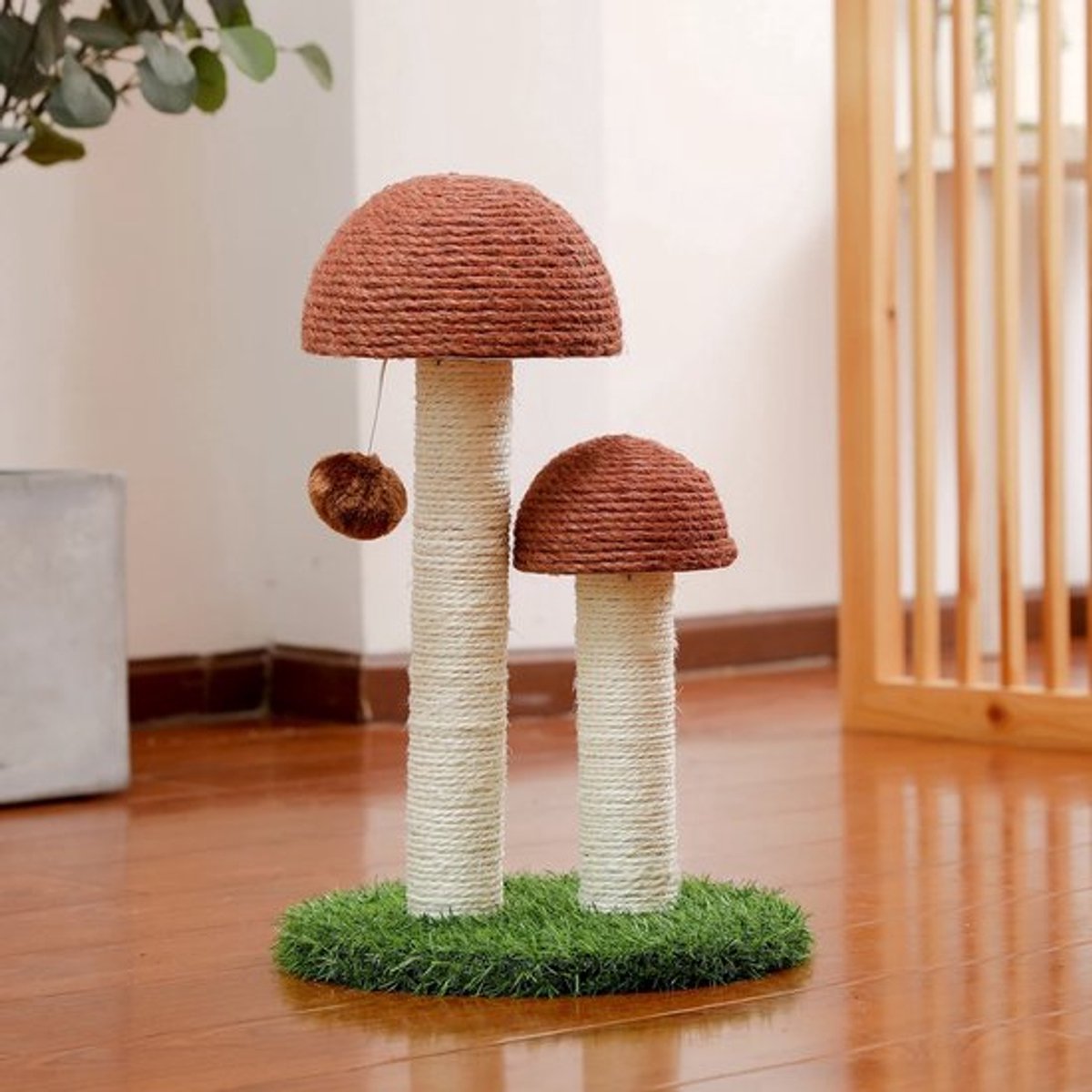
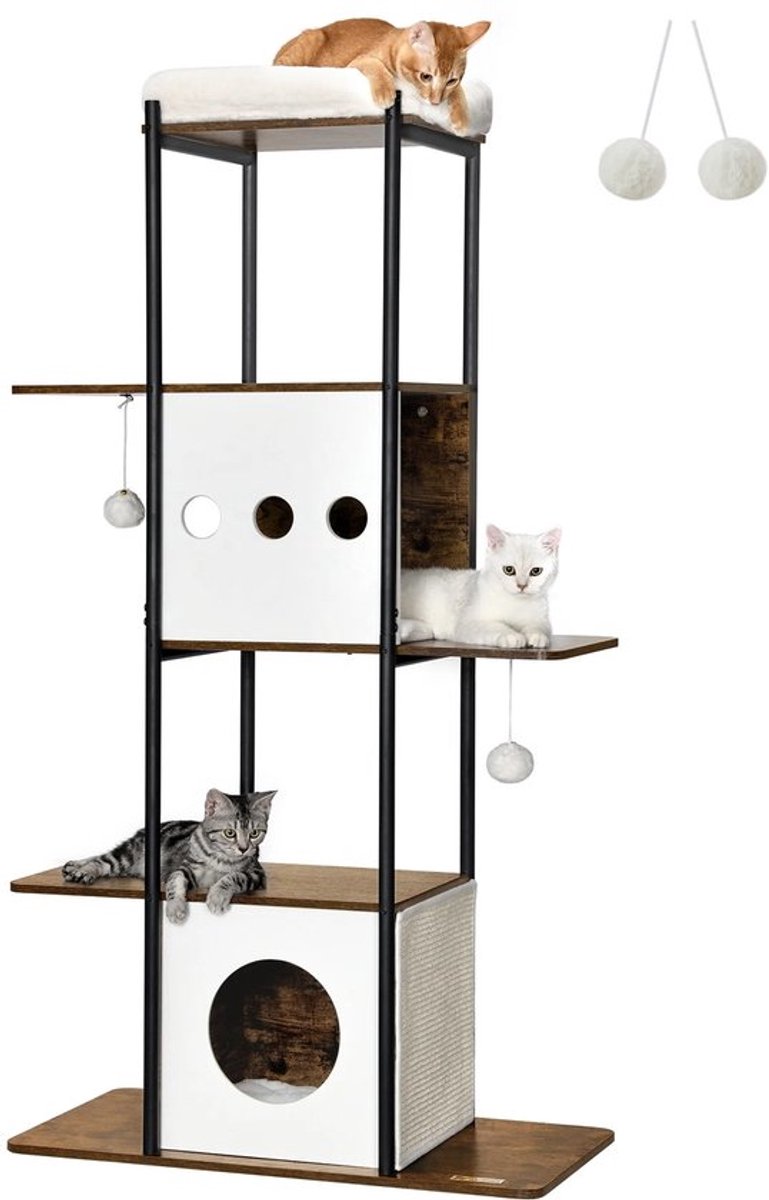
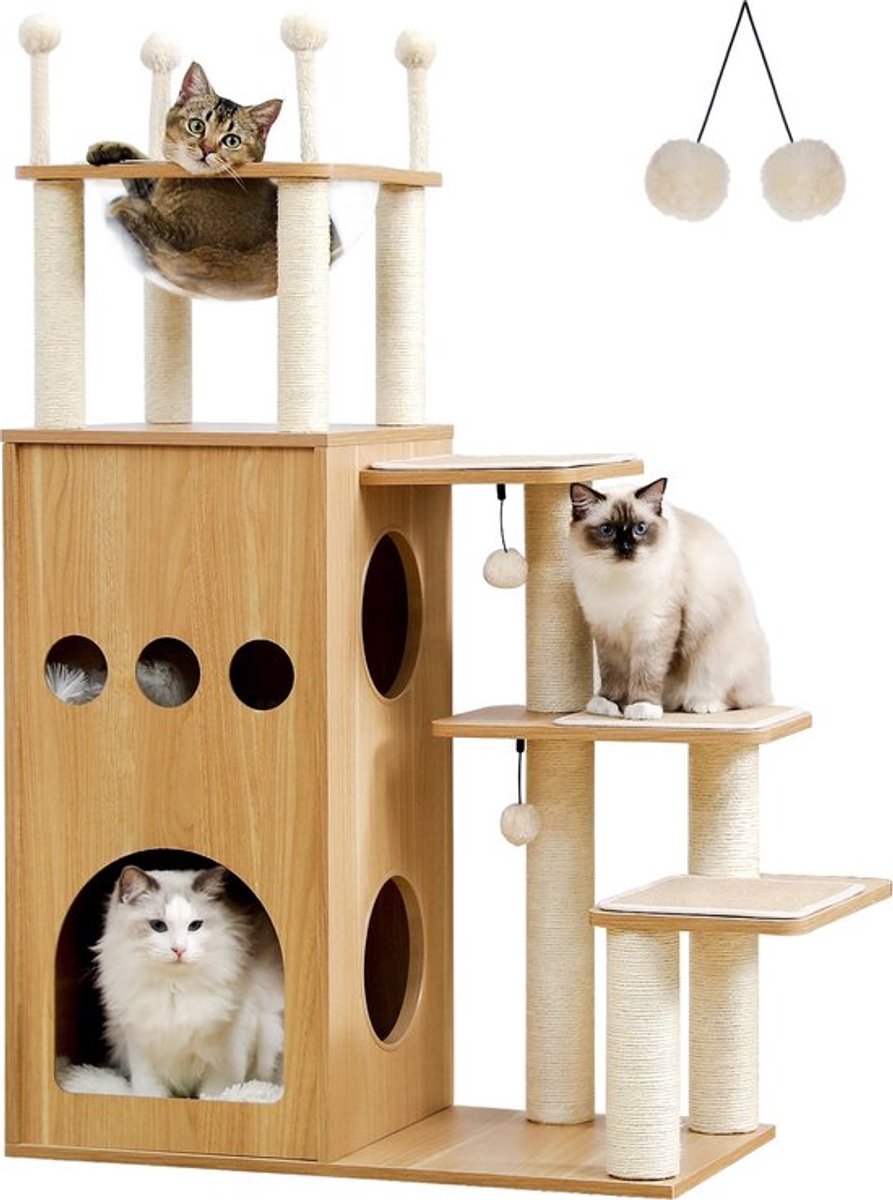
Cats like to be up high. The RSPCA says cats often feel safest when they are high, and recommends giving every cat a raised spot to climb and rest. A cat tree is one way to do that. It is not the only way (sturdy shelves and the top of a wardrobe work too), but for many homes it is the easiest.
Pick your cat, get your tree
The best cat tree is the one that does not wobble, has perches big enough to lie on, and sits where your cat already wants to be.
Why height matters
The RSPCA lists "high places" among what every cat needs, along with a bed, a toilet, hiding places and room to climb and play. A raised spot lets a cat watch the room, rest out of reach and get away from things that worry it. Cats Protection also advises plenty of cat-friendly shelves and things to climb on for indoor cats, so they can explore as they would outdoors.
In a home with more than one cat, the same sources say each cat needs its own things, with a spare, and places to be away from each other. A tree with only one good perch can become something to guard rather than something to share.
The wobble test and other safe checks
Welfare groups do not set a standard for cat trees, so these are common buying-guide rules of thumb that fit what we know about cats:
- Wobble test. Push the top perch gently sideways. It should flex a little and come back, with all corners of the base on the floor.
- Base wider than the top. A tall tree on a narrow base tips more easily. Wall anchoring is sensible for tall trees, heavy cats and homes with dogs or children.
- Per-perch weight limit. Treat it as a limit for one cat, and leave a margin for landings. A listing that gives no weight figure is a warning sign.
- Sisal for scratching. Sisal rope or fabric is the most durable surface. Carpet-covered posts can teach a cat that carpet is fine to scratch. Our scratching guide goes deeper.
- Screws and strings. Tighten all hardware after the first week, check for loose threads or frayed hammock straps, and remove anything your cat could swallow.
Where to put it
Put the tree where the family already is, ideally by a window or in the living room. A tree in a spare room is usually ignored. Keep it away from radiators and hot windows in summer, and do not put it right beside a door a cat can use to slip out. If your cat is old or stiff and has stopped using high places, mention it to your vet, because pain can be the reason.
What to look for
- A broad, heavy base and a top perch that does not wobble.
- Perches at least as long as your cat, with a low first step and short gaps for kittens and older cats.
- Sisal on the posts, and a stated weight limit.
- A size that suits your room and can be fixed to the wall if it is tall.
Sources